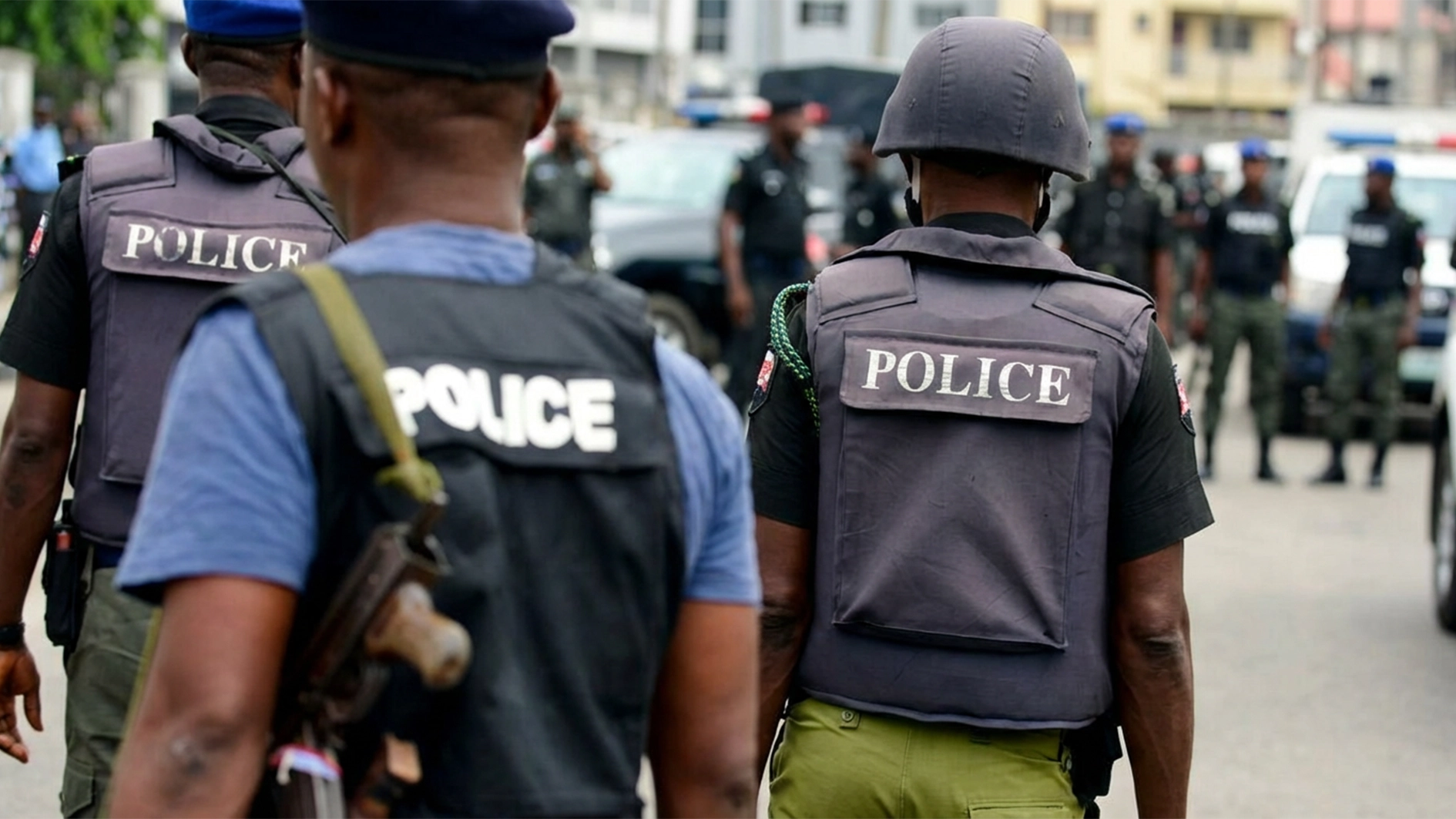
Six years after #EndSARS, has anything really changed about how we police Nigerians?
Six years after #EndSARS, Nigeria’s police reform appears to have joined the sacred Abuja folder marked “Later.” The uniforms changed on paper, but at midnight checkpoints, the receipt still looks painfully familiar.

In October 2020, young Nigerians took to the streets and asked for something very simple: stop brutalising us. Six years on, we are doing what every Nigerian does on an anniversary. We’re checking the receipt.
First, the good news, so nobody says I’m being negative. SARS, the unit that started the protests, was disbanded. That really happened. The young people who protested also changed how a generation thinks about accountability. That change is real, and no press release can take it from them.
Now the other news. The five demands that came out of the protest included justice for victims, police reform, compensation, psychological evaluation of officers, and better welfare. Six years later, many commentators and activists say the reform barely moved past rhetoric. And honestly, if you’ve ever been stopped at a checkpoint at night, you probably have your own opinion.
Because here’s how the system works. In 2020, the government promised reform, and it set up committees and panels, the way Nigerians set up a vigil when they are not sure what else to do. The panels listened to horrifying testimonies, wrote reports, and made recommendations. Then, according to many critics, the recommendations went into the folder labelled “Later.” Everybody in Nigeria knows that folder. It’s the biggest one in Abuja. It has its own zip code.
Meanwhile, you can still meet the old tradition of street-side “negotiation.” An officer sees a young man with a laptop bag and a hairstyle, and suddenly the laptop becomes “evidence.” You may not know the offence, but you will know the price. It’s the only part of the process that has never been delayed.
And while we wait for justice, there’s one more image that sits heavy in the back of every Nigerian’s mind: the Lekki toll gate. I won’t joke about that. Some things are not for jokes, and the people who lost their lives deserve better than a punchline.
So what has changed? Perhaps this: the young generation no longer asks politely. They post. They record. They remember. The phone is now the most feared piece of police equipment in Nigeria, which is why every officer who spots one suddenly remembers his training.
Here’s my modest wish for year seven. Implement the Police Act. Prosecute the officers who abuse the badge. Pay the officers properly so that “welfare” isn’t found on the roadside. Publish what happened with those panel recommendations. And let the next anniversary come with a progress report instead of a speech.
Until then, keep your phone charged, know your rights, and never forget that the best protest slogan we have is still the oldest one:
Keep reading
More like this
- Opinion
The cost of living is becoming Nigeria’s most powerful political campaign, and the pepper seller is the campaign manager
Politicians may have buses, banners and jingles, but Madam at the market is running the real 2027 campaign. Every pepper price, fuel receipt and generator refill is now an opposition manifesto with no need for INEC approval.
Nyesom Dwala

Reader takes
0 comments