
State police may be coming, but who will police the governors?
State police may bring security closer to the people, but Nigerians are politely asking whether the uniform will serve the village or the man holding the allocation. As usual, the safeguard is expected to work immediately after light comes back.
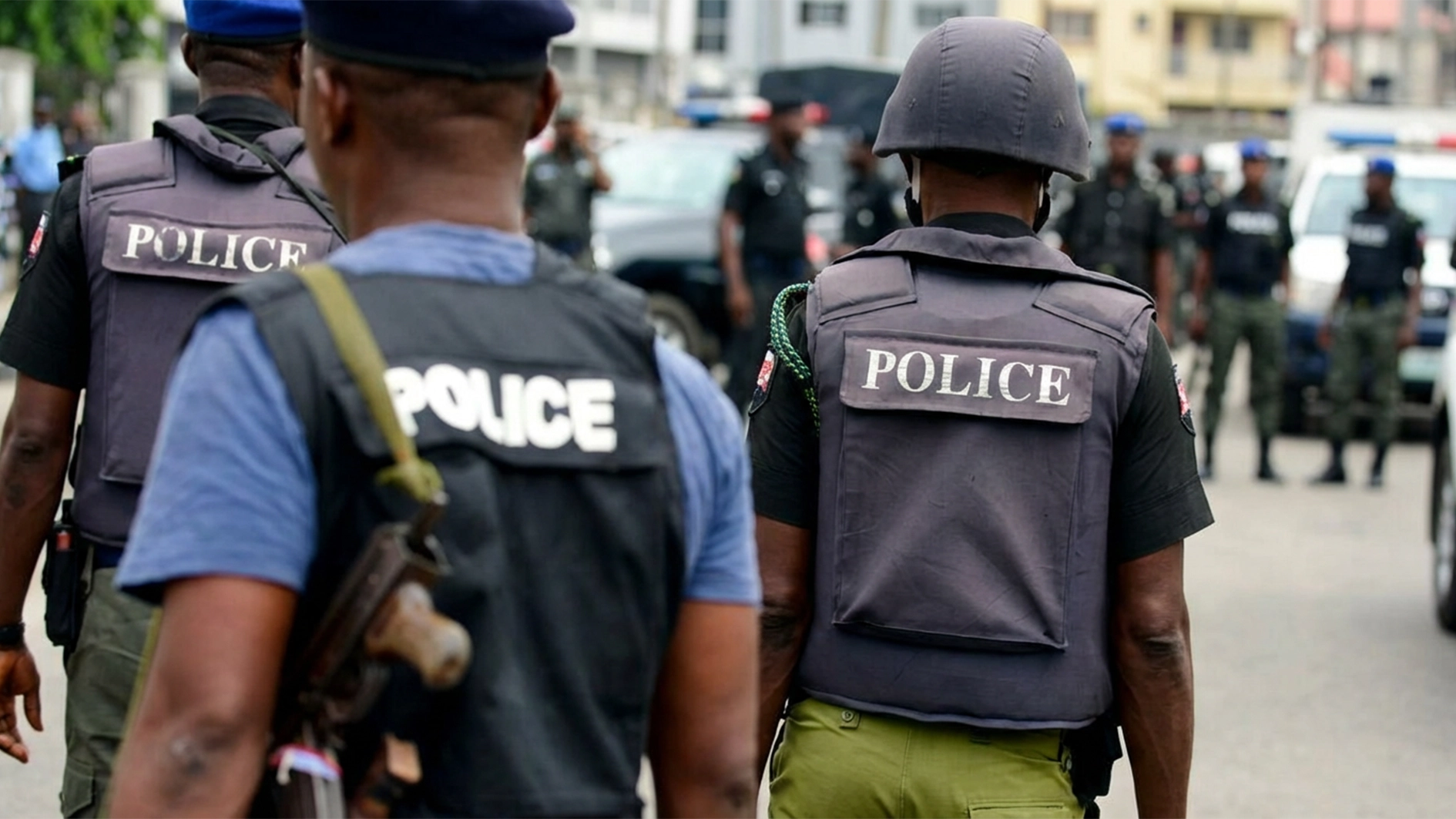
The question of the week is a simple one, and it’s very Nigerian: if every state gets its own police, who will police the man who appoints, funds, and quarrels with them?
Let’s be fair first. State police is not a stupid idea. Nigeria has hundreds of millions of people and a single federal police force, so when a bandit enters your village, the response sometimes takes longer than a Lagos traffic jam on a Friday evening. Many people say local officers who know the area could solve that. And honestly? Fair enough.
The Senate and the bill’s supporters have also been busy telling us there are safeguards. There’s an independent commission. There’s the Assembly confirming the state’s commissioner of police. There’s a National Police Council, which sounds very serious and has a lovely name. They say the governors will not control everything. I have heard these assurances, and I will say politely: we’ll see.
Because here’s what every Nigerian knows from experience. Some governors already have strong influence over many state institutions. So when you tell us “don’t worry, there are checks,” my first question is: checked by whom? By the same people who are always very reasonable in public and very persuasive in private? By an Assembly that sometimes approves things faster than I approve a free sachet of jollof?
Picture it. Mr Commissioner receives a “friendly instruction” from the Government House. The instruction is not illegal on paper. It’s just a suggestion, delivered with the soft tone of a man who also signs your promotion letter. “Please, just go and look into this man’s matter. He has been talking too much on the radio.” And Mr Commissioner stands there with a pen and a mortgage and a decision.
Supporters say the bill lets him refer such instructions upward. Beautiful. But every critic is asking the same awkward question: what does it cost him personally? Brave people are great, but we shouldn’t build a system that depends on heroes.
In fairness, the opposite fear is also real. Insecurity is not waiting for the perfect system, and a country can’t keep telling a community in danger, “Please wait, we’re still drafting the safeguards.” Both things can be true. We need police closer to the people and limits tight enough that no one, however powerful, can use them as a campaign tool.
So the answer to “who will police the governors?” should be boring and dependable: courts that work, a commission that’s truly independent, funding that can’t be starved, a free press, and citizens who ask questions loudly. In other words, everything we’re normally too busy to maintain.
Keep reading
More like this
- Opinion
The cost of living is becoming Nigeria’s most powerful political campaign, and the pepper seller is the campaign manager
Politicians may have buses, banners and jingles, but Madam at the market is running the real 2027 campaign. Every pepper price, fuel receipt and generator refill is now an opposition manifesto with no need for INEC approval.
Nyesom Dwala

Reader takes
0 comments